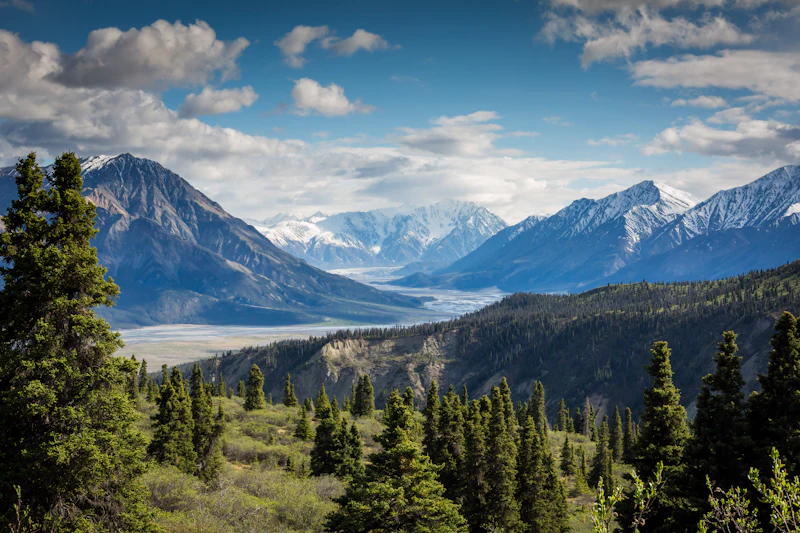
Hanuman Tibba
Himalayan Atlas & Expedition Guide

Hanuman Tibba

The highest peak of the Dhauladhar range at 5982m, a technically demanding climb requiring advanced mountaineering skills.

Hanuman Tibba
Featured Expedition View

Hanuman Tibba

Overview

Hanuman Tibba at 5982 meters is the highest peak in the Dhauladhar range and a coveted objective for experienced mountaineers in the Indian Himalayas. Rising dramatically above the Solang Valley near Manali, its distinctive triangular summit is visible from much of the Kullu Valley and serves as a landmark for the entire region. The peak presents a serious mountaineering challenge with steep ice walls, exposed ridges, and unpredictable weather patterns. The standard route involves technical ice climbing sections up to 60 degrees, mixed rock and ice terrain, and requires solid rope management skills. It is classified as a difficult peak by the Indian Mountaineering Foundation. Historically significant in Indian mountaineering, Hanuman Tibba has been a training ground for expeditions to higher Himalayan peaks. The mountain demands respect — its combination of altitude, technical terrain, and rapid weather changes makes it a true test of mountaineering ability.

Climbing Route

The approach begins at Solang Valley and follows the well-known Beas Kund trail through forests and alpine meadows to reach the Beas Kund lake area at 3700 meters. From here, the route diverges from the trekking trail and enters serious mountaineering terrain. The climb involves establishing an advanced base camp at approximately 4400 meters on the glacier below the south face. Camp 1 is placed at around 4900 meters after negotiating a steep icefall section. The route then traverses a long snow ridge with cornices to reach Camp 2 at approximately 5400 meters. The summit push involves climbing a steep ice wall (50-60 degrees) followed by a knife-edge ridge leading to the summit pyramid. The final 200 meters require careful route-finding through mixed terrain of rock and ice. Fixed ropes are essential on the steeper sections.

Frequently Asked Questions

Photo Gallery

More in Kullu