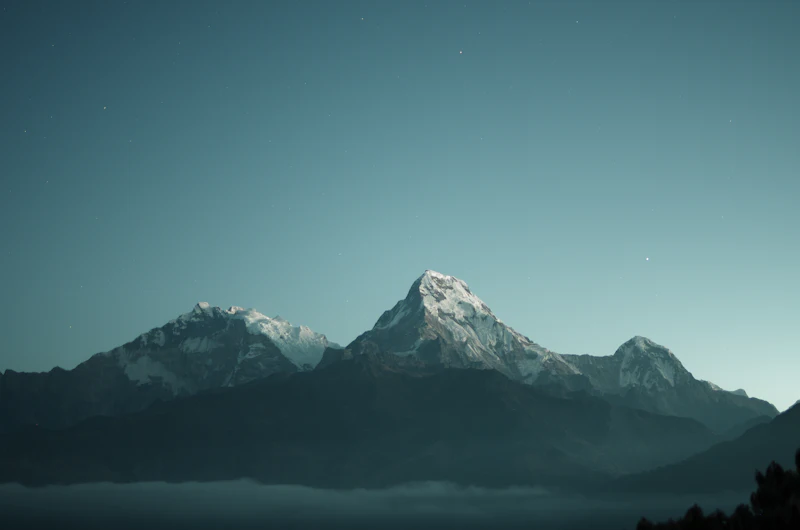
Deo Tibba
Himalayan Atlas & Expedition Guide

Deo Tibba

An elegant 6001m pyramidal peak near Manali, offering a comprehensive mountaineering challenge at the gateway to high-altitude climbing.

Deo Tibba
Featured Expedition View

Deo Tibba

Overview

Deo Tibba at 6001 meters is a striking pyramidal peak that dominates the skyline south of Manali. As one of the few 6000-meter peaks accessible from the Kullu Valley, it holds a special place in Indian mountaineering as a stepping stone between intermediate and high-altitude expeditions. The peak's elegant symmetry and challenging climbing routes have attracted mountaineers since the first ascent in 1952. The standard route from the Jagatsukh Valley offers a comprehensive mountaineering experience encompassing glacier navigation, steep snow and ice climbing, and exposed ridge traversals. The peak sits at the junction of the Pir Panjal and Great Himalayan ranges, offering unobstructed views in all directions from the summit. Deo Tibba is known for its rapidly changing weather conditions, with the summit often enveloped in clouds by midday. The combination of altitude, technical difficulty, and unpredictable weather makes it a respected objective that demands thorough preparation and strong mountaineering fundamentals.

Climbing Route

The approach starts from Jagatsukh village (about 6 km from Manali) and follows the Jagatsukh Nala through dense forests of oak, pine, and birch. After passing through the seasonal grazing grounds of Chikka and Seri, the trail reaches the base camp area at approximately 3900 meters near the snout of the Deo Tibba glacier. From base camp, the route ascends the moraine-covered glacier to Camp 1 at around 4600 meters. The climb continues up steepening snow slopes, negotiating a prominent rock band via a snow gully (45-55 degrees) to reach Camp 2 at approximately 5200 meters on a sheltered snow platform. The summit push begins in the early hours, climbing a sustained ice slope of 50-60 degrees to gain the summit ridge. The final section follows a narrow, exposed snow ridge with significant drops on both sides to reach the pointed summit at 6001 meters. The descent retraces the route with careful downclimbing and rappels on the steeper sections.

Frequently Asked Questions

Photo Gallery

More in Kullu